With the advent of online assessments, a new problem has also become frequent—cheating. Many recruiters love online assessments for their convenience and speed compared to in-person tests, but they also provide an avenue for candidates to cheat without recruiters’ knowledge. Unfortunately, cheating harms ability testing because it presents a false view of what the candidate can do.
To maintain trustworthy results that keep your hiring decisions accurate, you need precise methods that check cheating without infringing on candidates’ privacy. Dive in as we explore how candidates cheat in online assessments, prevention methods, and how to identify fair AI hiring tools.
But first, let’s see what fairness in AI hiring actually entails.
What is fairness in AI hiring?
Fairness in AI hiring means evaluating candidates solely by their skills, abilities, and performance. It ensures that protected personal information, demographics, background, or other biases don’t influence candidate assessment.
Maintaining a fair assessment process also demands transparency and equity during the actual testing. This means your hiring algorithm must have clear grading criteria and standards that are applied consistently to all candidates.
No candidate should have an added advantage over others; instead, each candidate gets the same type of challenge under similar conditions. When any of these factors are broken, whether through a flawed algorithm or dishonest tactics, results no longer reflect candidates’ true ability, creating room for costly errors.
How candidates cheat in online assessments

Knowing the ways candidates cheat prepares you to put checks in place against each method adequately. Here are five common ways candidates cheat in online assessments:
1. Looking up answers directly
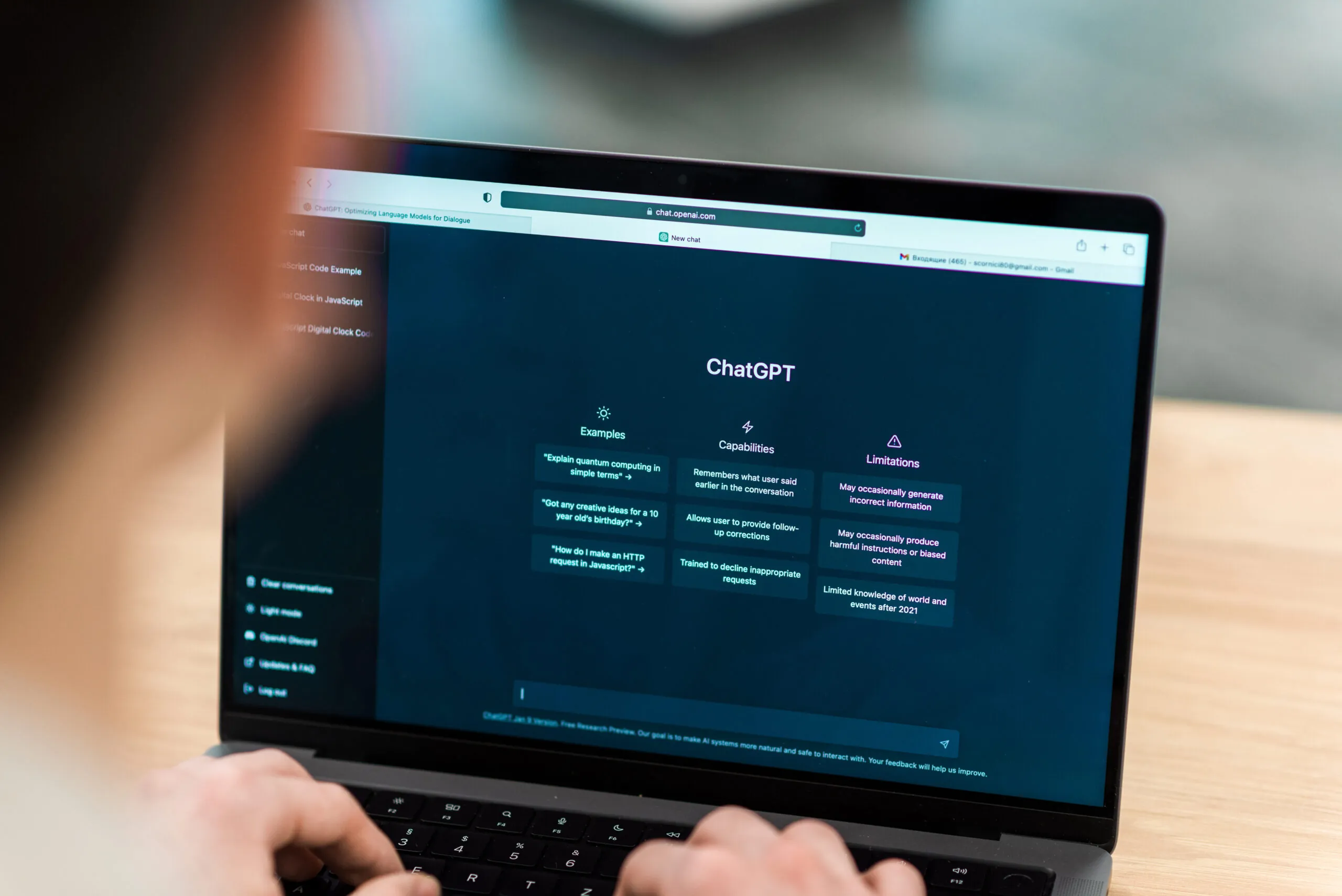
In a ResumeTemplates survey, 22% of job seekers admitted to cheating on online assessments. Of these candidates, a whopping 71% used Google, while 37% used ChatGPT.
These numbers show that search queries are the easiest and most common method of cheating. Candidates either open a new tab for Google searches, use a second device, or copy the questions into ChatGPT to generate answers. They could also pull answers from communities or forums.
Generally, when candidates use this tactic, their answers seem “too perfect” or technical in an exaggerated way. It’s especially problematic in questions that require open-ended answers or individual thought, especially when multiple candidates have similar answers.
2. Collaboration between candidates
This typically comes in the form of shared questions or answer banks. After taking a test, a candidate screenshots or copies the assessment questions and shares them in communities, private groups, or drives.
With time, your questions become readily available, meaning candidates get ample time to prepare and source answers. Identical phrasing or sudden long-term improvement across board compared to previous performance can point to leaked questions.
3. Multiple attempts with different accounts
Some candidates try to complete the same test multiple times under different accounts. First, they register and take the assessment to study the questions or copy them completely to find answers in their own time.
Then, they take the test again with a different account to get a perfect score. This gives them a better chance of success compared to honest, first-time candidates. It also provides false hiring data that doesn’t reflect how they’re likely to tackle sudden challenges on the job, which could lead to bad hires.
4. Gaming answers to match expectations
Here, candidates study job descriptions, previously successful candidates, and company pages to determine what an ideal candidate would look like. Using this information, they craft answers they think suit the recruiter’s expectations.
Rather than showing authentic problem-solving, they learn to say what they think is right, whether it’s genuinely how they would handle the situation or not.
While a candidate researching and preparing beforehand in itself isn’t wrong, when they display false personas, it diminishes authenticity and reduces diversity. Their responses become repetitive and, despite aligning strongly with company materials, lack concrete examples and evidence.
5. Impersonation
Unlike in-person assessments, which give you control over the test environment, online assessments are more difficult to monitor.
As a result, candidates can easily ask a third party, such as a friend or a professional, for help. Sometimes, the third party takes the entire test on the candidate’s behalf.
In cases of candidate impersonation, the substitutes typically refuse or evade any live identity checks, such as video responses. It’s a direct fraud and destroys the validity of any score or assessment, as you’re hiring someone who has never demonstrated the skills.
How does cheating affect hiring results?

Research from Talogy showed that 65% of hiring managers are concerned about candidates using Gen AI to cheat on recruitment assessments. In this section, we’ll see three reasons why recruiters worry about cheating and how it undermines hiring results.
1. Inaccurate results lead to mishires
The most immediate impact of cheating is that assessment results stop reflecting real ability. When a candidate looks up answers or gets external help, their score no longer represents what they can actually do on the job.
Incorrect hiring data misleads recruiters and causes hiring errors, leading to employees who fail to meet expectations and leave early. Over time, even a few mishires cause a decline in team performance and increase recruitment costs due to turnover.
2. Erodes trust and candidate experience
When cheating becomes common, recruiters and honest candidates start to lose trust in the process. They doubt their own data, while qualified applicants feel frustrated competing against those who game the system.
This unfairness discourages genuine applicants from applying and weakens employer brand and public perception, especially among skilled talent who value transparency and merit.
3. Wastes hiring time and resources
The more cheating goes unchecked, the less efficient your hiring process becomes. Dishonest applications force hiring teams to spend more time reviewing results, conducting unnecessary interviews, or rehiring. This leads to wasted hours, higher recruitment costs, and slower time-to-hire, rendering AI hiring tools completely ineffective.
How to prevent cheating in online skills assessments

Although cheating compromises ability testing and bias-free hiring, you can avoid it by using AI hiring tools with anti-cheating features and fairness principles. Here are five ways to keep your online assessments secure and deliver a positive candidate experience.
1. Randomized questions
Predictability enables cheating because when every test follows the same order or includes identical questions, candidates can anticipate them and prepare answers beforehand. This encourages multiple attempts or leaked questions.
Randomizing question order, rotating answer options, or slightly varying scenarios ensures that no two candidates receive the same version of an assessment. With randomization, rehearsed answers become ineffective for future tests.
2. Assessment type variety
Mixing question formats such as multiple-choice, text, presentation, or spreadsheet makes prediction or search queries even more difficult.
Diverse assessment types require candidates to demonstrate skills in multiple ways, making it harder to copy or search for answers. It also gives recruiters a more rounded view of each applicant’s abilities and provides opportunities for candidates to show original thinking.
3. Monitoring tools
Proctoring checks suspicious behavior and ensures that candidates complete assessments by themselves. In modern AI hiring tools, proctoring features monitor candidates without being invasive by noting tab switches, unexpected movements, or duplicate answers.
Common examples include light monitoring through occasional screenshots without notice or AI-driven plagiarism detection.
The screenshots give you a full view of candidates’ screens, including any tabs with Google or GenAI searches. On the other hand, plagiarism detection scans their responses against thousands of others and flags similarities that could indicate unoriginality.
4. Creative assessments
Real, job-specific tests leave less room for shortcuts. Instead of asking textbook-style or easily searchable questions, use task-based challenges that mirror actual work.
For instance, a sales candidate could draft an outreach email, or a developer could debug short code samples. These creative, scenario-based tests not only reduce cheating opportunities but also make the process more engaging for candidates.
5. Using fair, bias-free software
Recruitment software with hiring bias, poor transparency, and unreliable features creates a foundation for cheating and flawed results. Effective AI hiring tools should have functional anti-cheating measures such as automated plagiarism checks, geolocation tracking, and one-attempt limits.
Moreover, it should integrate these features with comprehensive assessments and performance-based grading to guarantee precise, bias-free hiring results at all times.
How to identify fair AI hiring software

With several AI hiring tools flooding the recruitment market, it can be hard to pinpoint exactly what you require. To choose fair AI hiring software, you must understand how anti-cheating, transparency, and candidate experience features work together. Here’s what to look for:
1. Skills-first approach
The basic principle in fair hiring is strict ability testing. Instead of relying on resumes or academic backgrounds, skills-first software should evaluate candidates based on their performance in job-relevant tasks that mirror real scenarios.
By choosing software with this approach, you level the playing field for all candidates, regardless of their career history, education, or connections.
This way, you’re hiring for true potential and what candidates demonstrate they can actually do, rather than what their resumes or credentials claim. Over time, this creates stronger, more diverse teams built on performance.
2. Transparent scoring
Transparency builds confidence in your data and fosters candidates’ trust in your hiring process. A fair platform should make it clear how every score is calculated and what benchmarks determine a candidate’s ranking.
This clarity ensures that hiring managers and candidates alike can see the link between performance and outcome. When candidates understand your evaluation metrics, fairness becomes measurable and defensible.
For recruiters, transparent scoring also provides a clear trail to review past decisions, assess consistency, and continuously refine your assessment process. As a result, you create a more predictable and data-driven hiring strategy.
3. Bias-free algorithm
Even advanced AI can unintentionally mirror human bias if it isn’t trained and tested correctly. A truly fair hiring platform focuses on performance data alone rather than demographic or background details.
The algorithm should continually optimize its selection patterns to align with your defined success profiles, ensuring that recommendations stay relevant and accurate. Above all, protected attributes such as ethnicity, gender, or age should never influence scoring or ranking, allowing every candidate to compete on equal ground.
4. Balanced anti-cheating features
Security and fairness go hand in hand. The most reliable assessment systems use a mix of intelligent features to identify dishonest behavior without overwhelming candidates with surveillance. These could include plagiarism detection, question randomization, time limits, or geolocation tracking.
However, balance is highly essential. Fair AI should maintain the integrity of assessments while protecting the candidate experience.
When security measures are invisible yet effective, honest applicants feel confident, and recruiters can trust that every result reflects genuine effort.
5. Candidate-friendly and inclusive
In a fair hiring process, every candidate can confidently access and complete assessments. This practically translates to mobile-friendly platforms, intuitive interfaces, and assessments designed with accessibility in mind.
Clear instructions, adaptable timing, and compatibility with assistive technologies also make for a great candidate experience. In addition, you must take note of how the platform frames assessments to ensure inclusivity.
When tasks accommodate different communication and working styles, candidates feel respected and engaged. This leads to authentic participation, more accurate insights, and stronger long-term hiring outcomes built on trust and equity.
Set up fair AI skills-based hiring with Vervoe
Cheating in online assessments creates inaccurate results, weakens trust, and wastes valuable hiring time. To ensure you make every decision solely on skill, you need a fair, secure assessment platform.
Thankfully, Vervoe is an AI-powered hiring platform that delivers secure, skills-first assessments across several roles, including tech, sales, BPO, and finance. Our anti-cheating features include randomized proctoring screenshots to verify activity without invading privacy and a plagiarism detection tool that flags copied answers instantly.
Vervoe also offers a geolocation tracker that detects location changes in real time, while our one-attempt policy and disabled copy-paste prevent multiple attempts.
Ready to enjoy secure, reliable results? Schedule a demo with Vervoe today to build trust, protect fairness, and find top performers with confidence.